 Not Sexed Lavender Brahma Chicken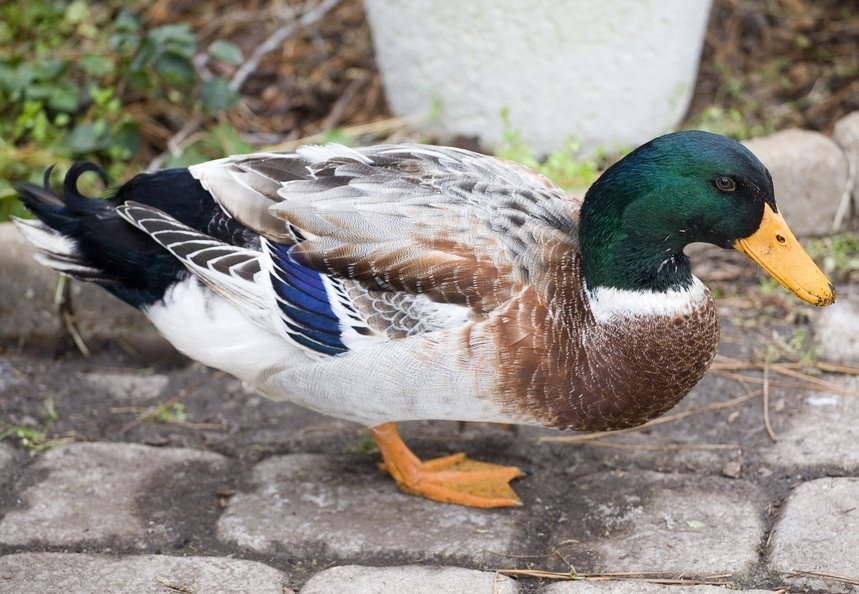
Welsh Harlequin Ducks
- Welsh Harlequin – Sold as Baby Ducklings Only
Shipped Feb thru June
Your total order requires ANY 3 birds to ship.
Free shipping on orders over $50!
- Satisfaction Guaranteed
- No Hassle Refunds
- Secure Payments
Description
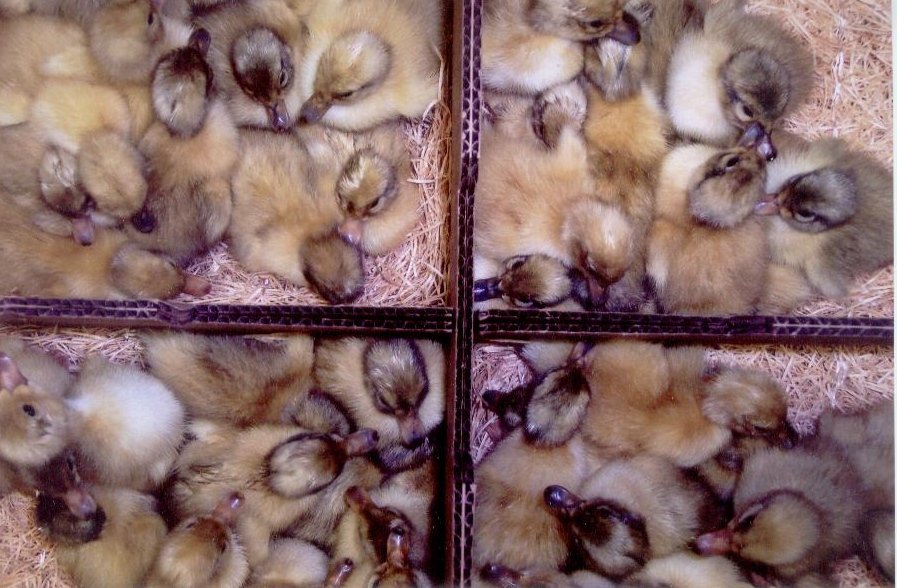
Welsh Harlequin Ducklings
Breed Overview and Origin
The Welsh Harlequin Duck is a calm, attractive, productive duck breed known for strong egg laying, good foraging ability, and beautiful silver-patterned plumage. If you want a backyard duck that can provide plenty of eggs while still adding beauty to the flock, this breed is an excellent choice.
Welsh Harlequins originated in Wales in 1949. Leslie Bonnet developed the breed from Khaki Campbell stock, which helps explain why Welsh Harlequins are such productive layers. The breed came to the United States between the late 1960s and 1980s and has since become popular with duck keepers who want a useful, attractive, heritage-style laying duck.
Cackle Hatchery® offers Welsh Harlequin Ducklings and specifically sells the Silver Welsh Harlequin variety. Cackle has developed its pure Silver Welsh Harlequin bloodline since 1992, and the breed is listed with The Livestock Conservancy as Watch status.
Appearance and Characteristics
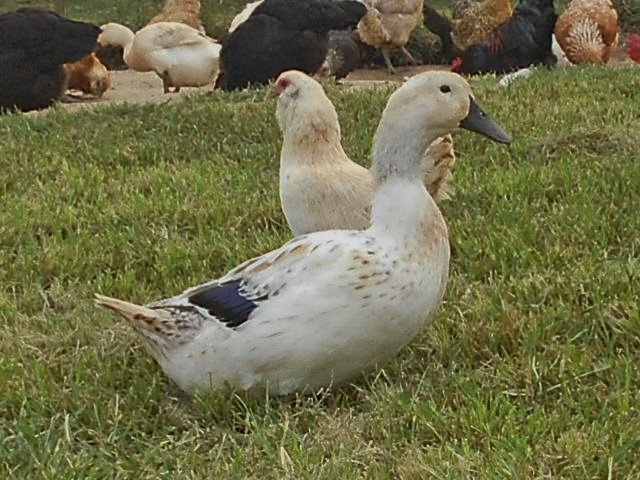
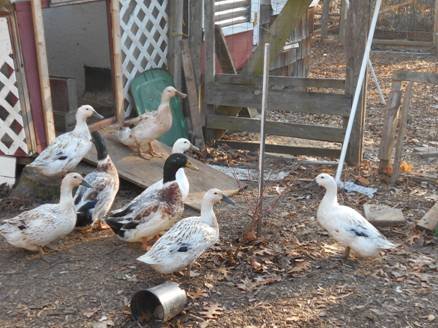
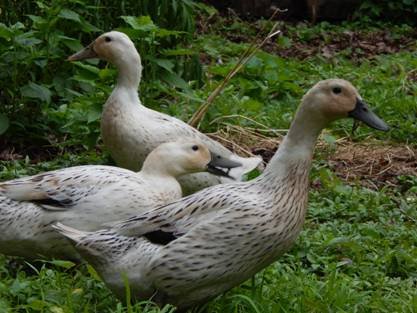
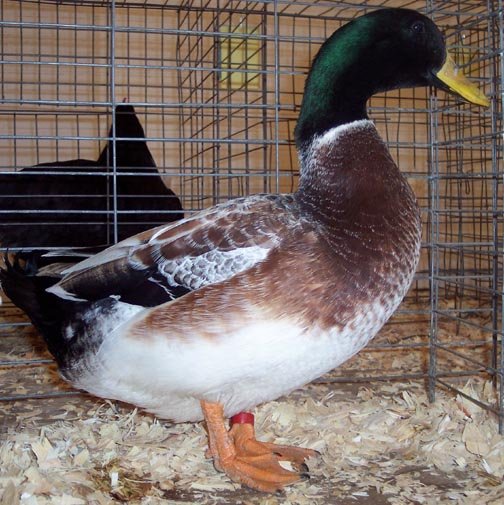
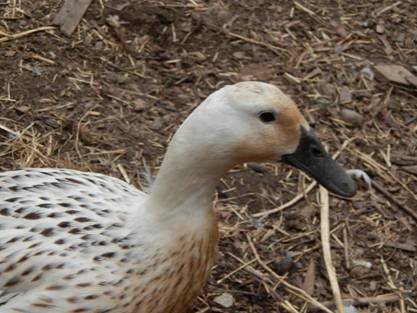
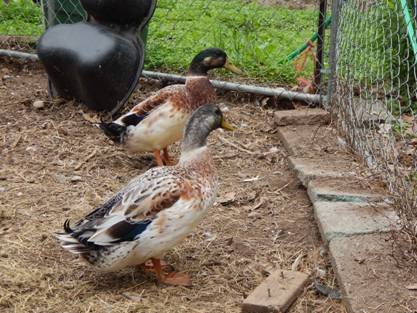
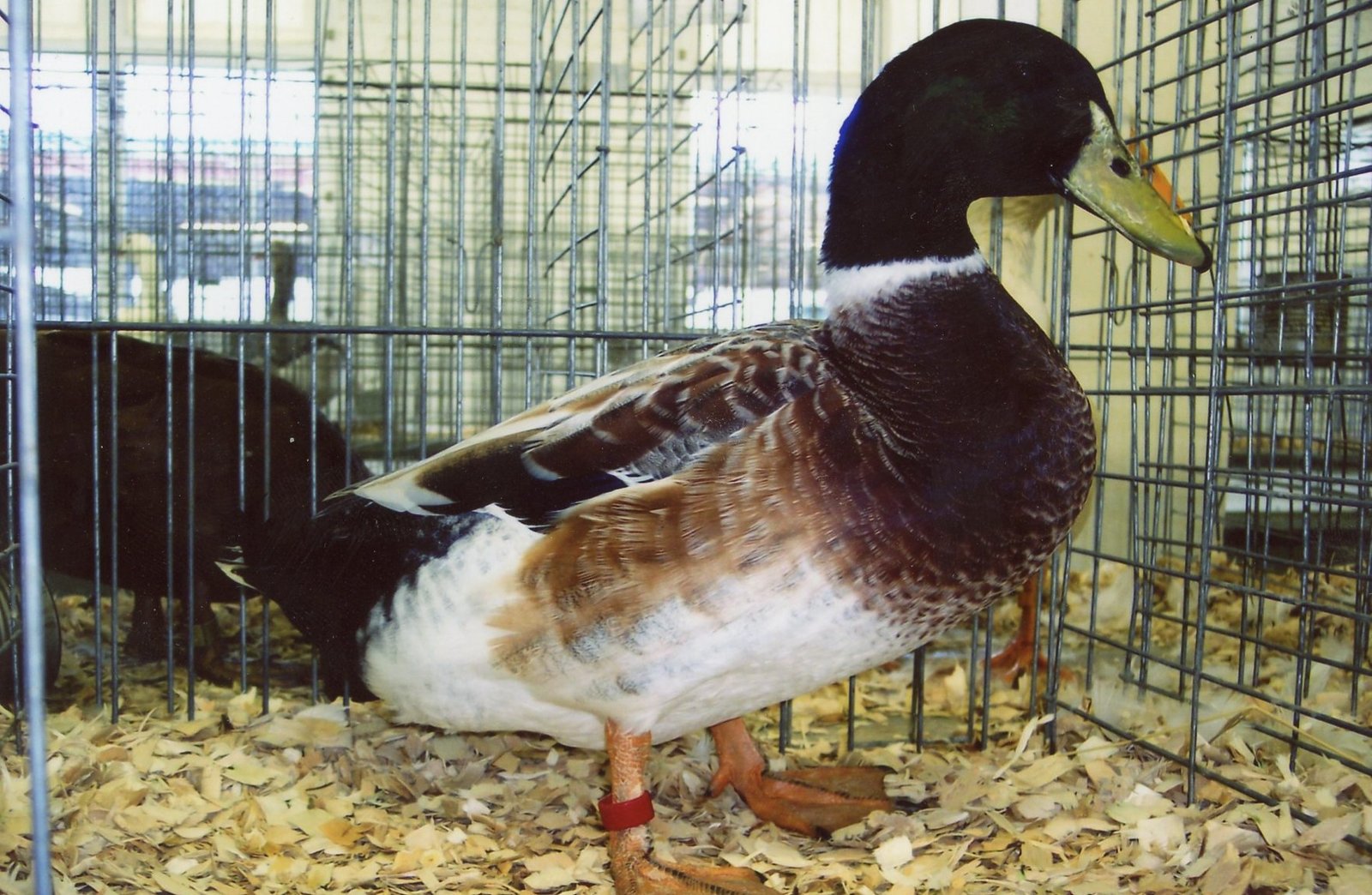
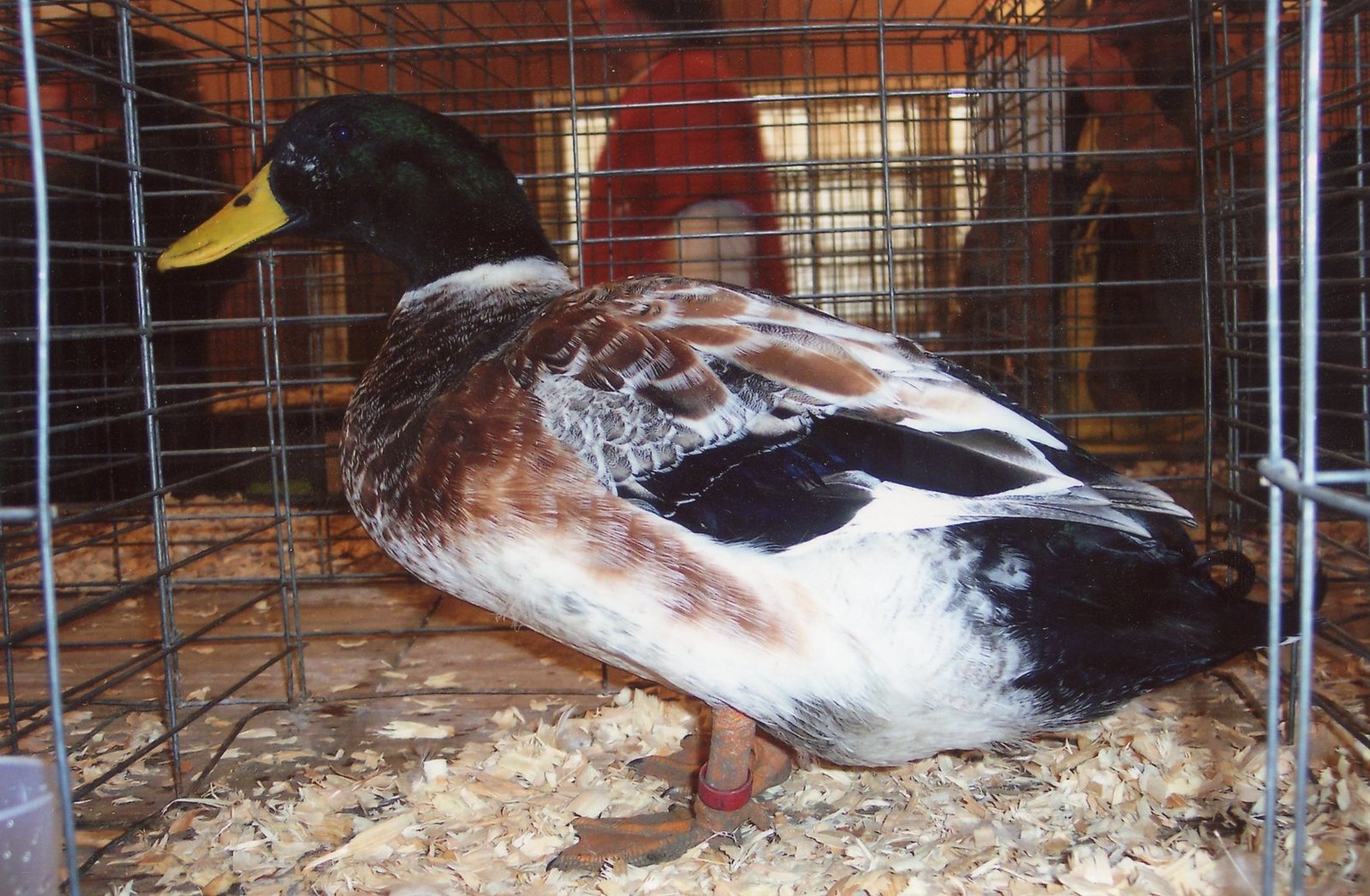
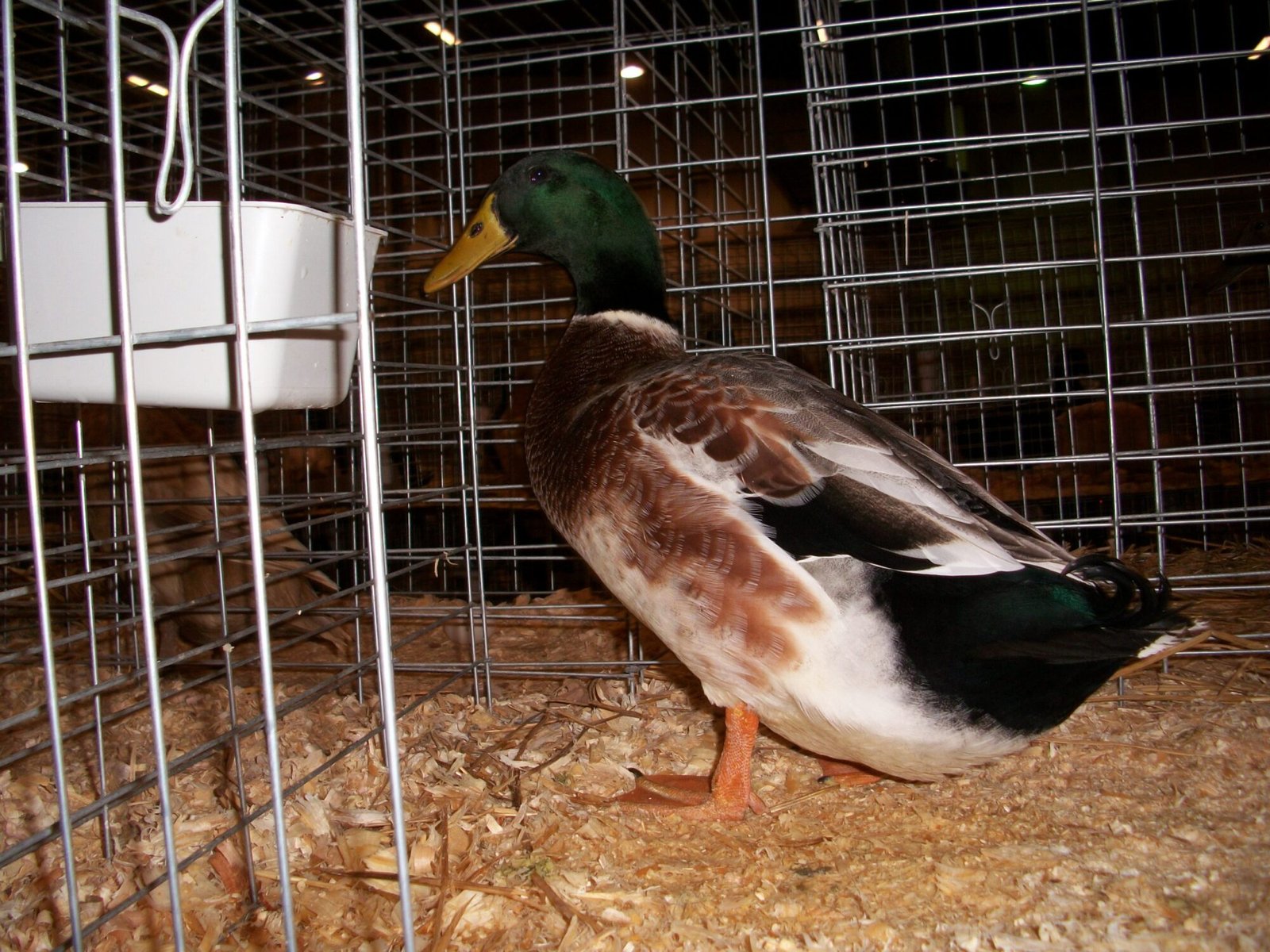
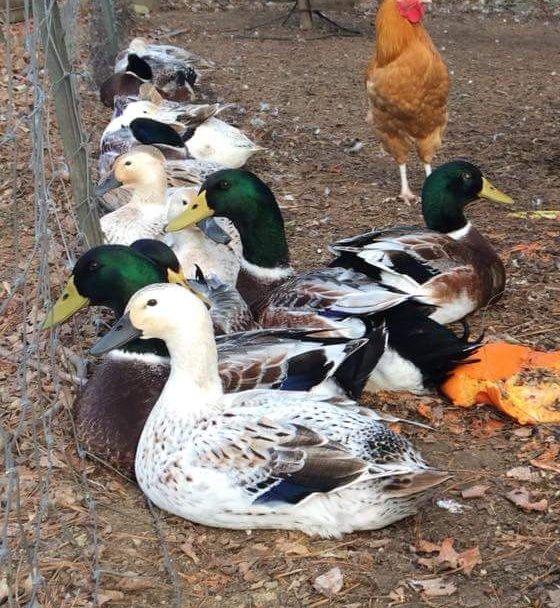
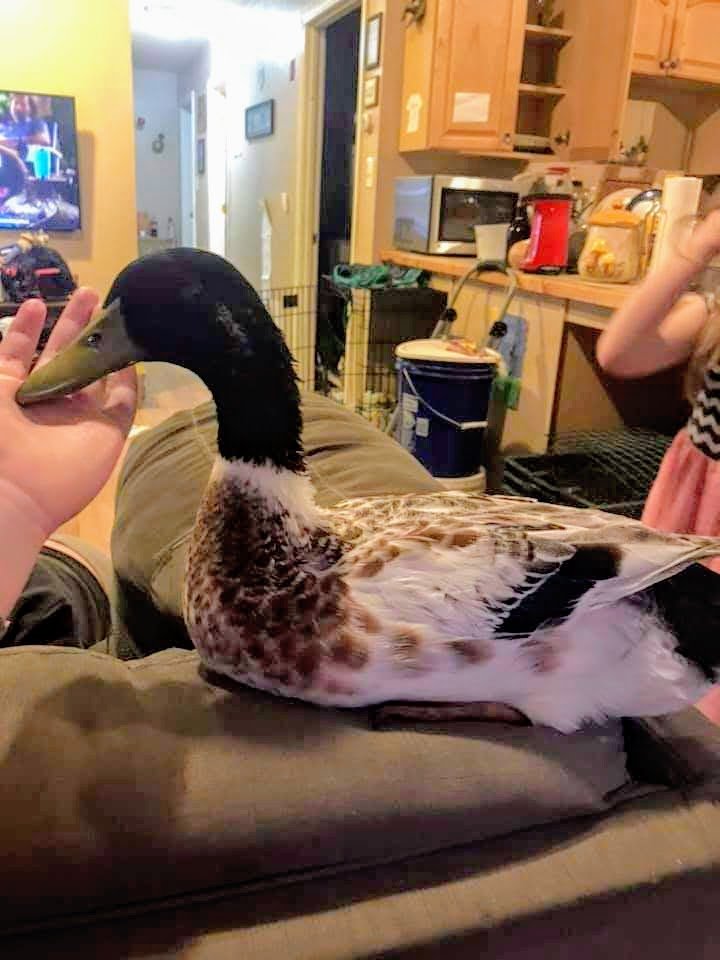
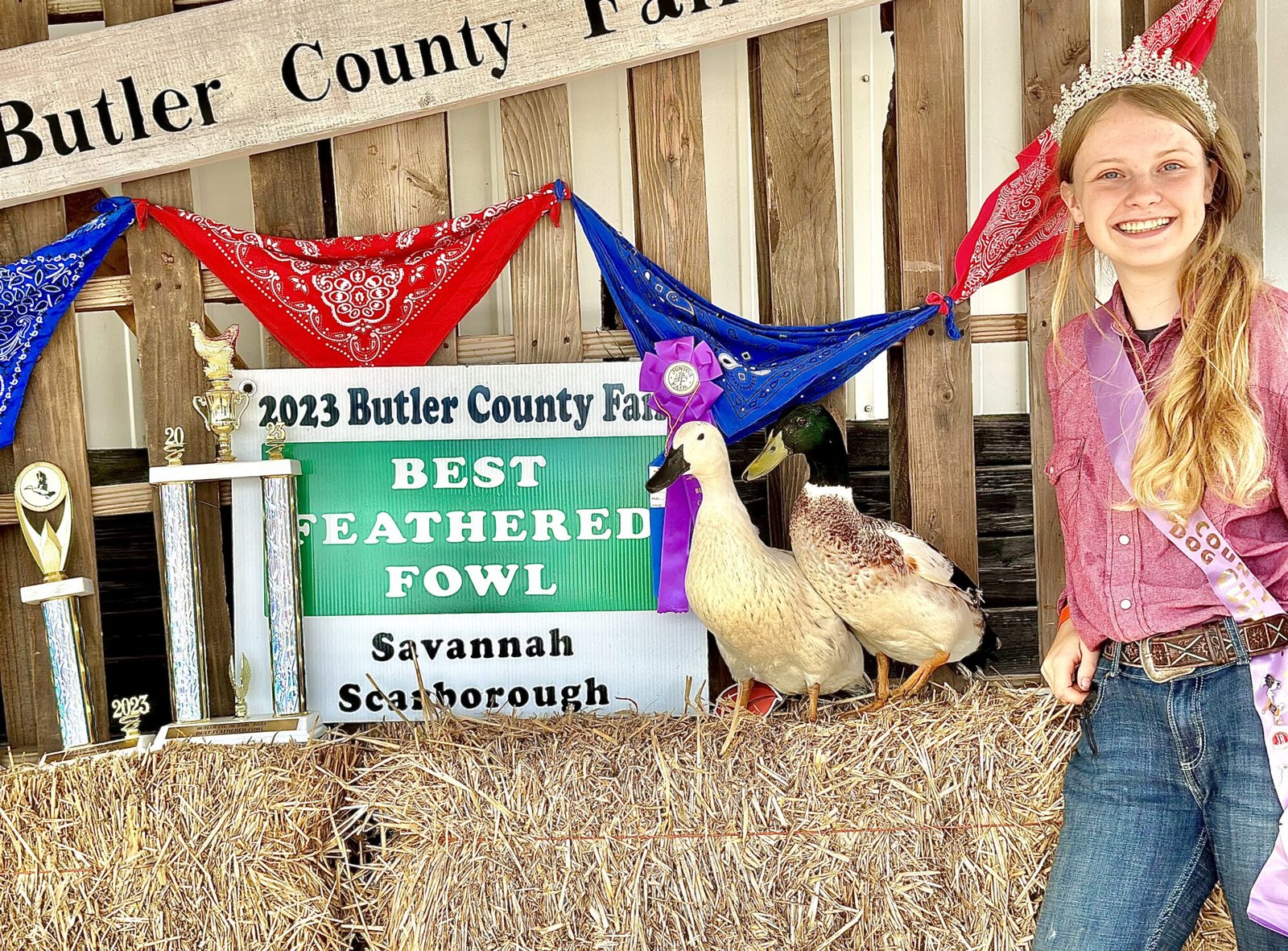
Welsh Harlequin Ducks have soft, attractive plumage with a lighter, patterned look than Khaki Campbells. Since Cackle offers the Silver Welsh Harlequin variety, customers can expect the silver color type rather than the gold variety.
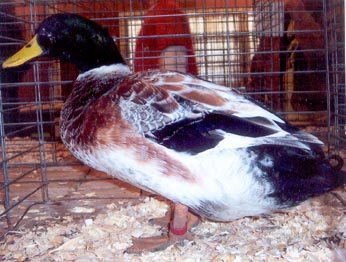
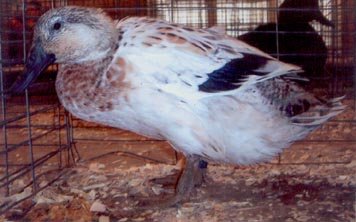
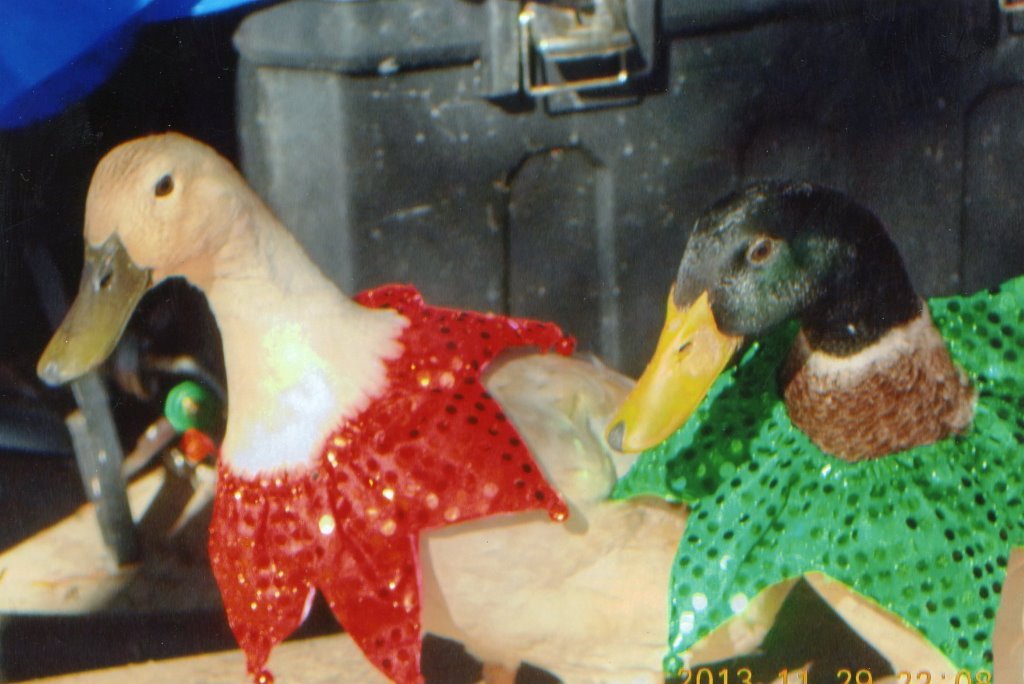
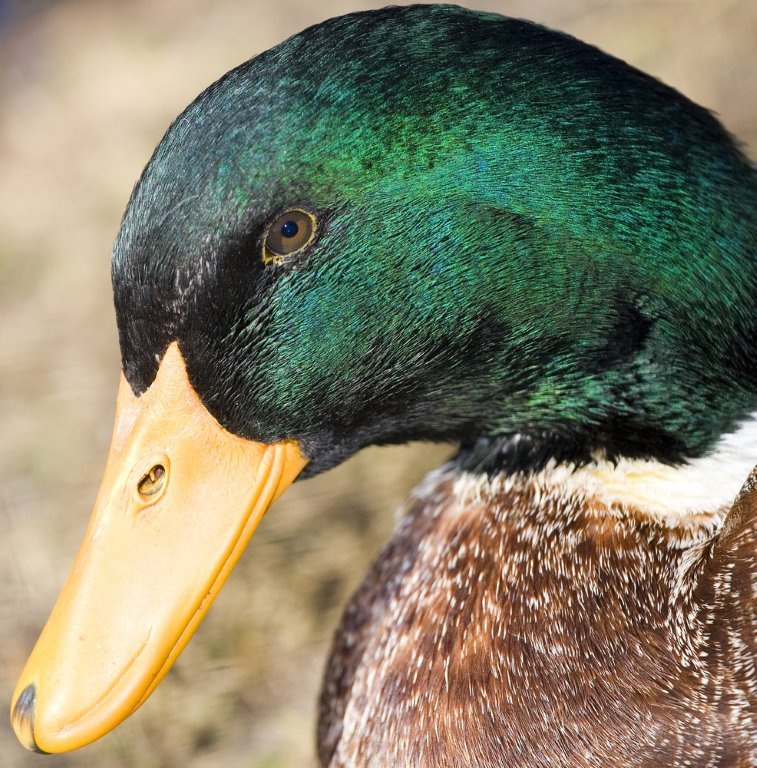
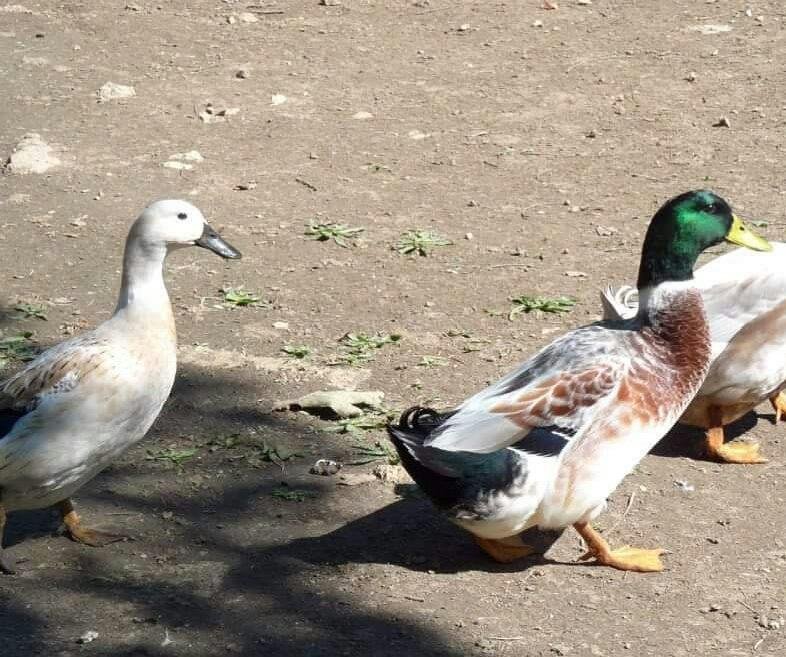
Drakes and hens look different as they mature. Drakes develop more colorful markings, while hens usually show a softer, creamier patterned body. Their calm nature and attractive feathering also help make them good show ducks.
Cackle’s Duck Breeds List Comparison Chart lists Welsh Harlequins at 4.5 to 5.5 pounds, with egg laying and exhibition as the main purpose, good egg production, a very calm temperament, APA recognition, and Watch status with The Livestock Conservancy.
Welsh Harlequin Duck vs Khaki Campbell Duck
Welsh Harlequins descend from Khaki Campbell ducks, so the two breeds share strong egg-laying ability and active foraging instincts. However, they have different looks and slightly different flock appeal.
Choose Welsh Harlequin Ducks if you want a calm, attractive, heritage-style duck with good egg production and show potential. Choose Khaki Campbell Ducks if you want a more egg-focused duck with a lighter body and active, practical farm-duck reputation.
Cackle’s Keeping Ducks for Eggs article describes Welsh Harlequins as a lightweight heritage breed developed in Wales that can lay as many as 300 large eggs per year. It also notes that they are active foragers, calm birds, and similar in body type to the Campbell duck.
Egg Production
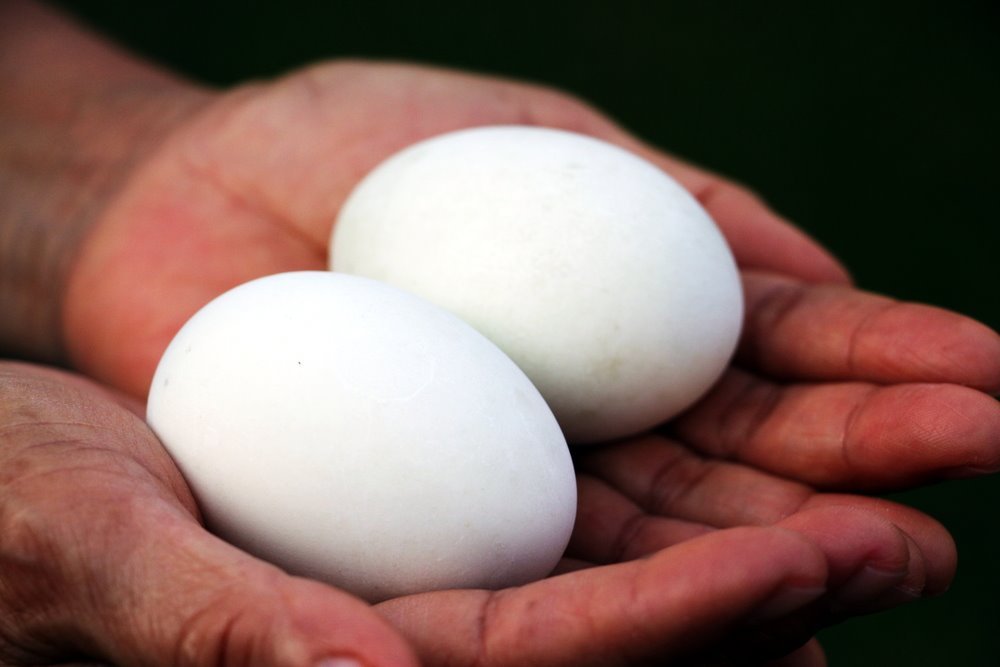
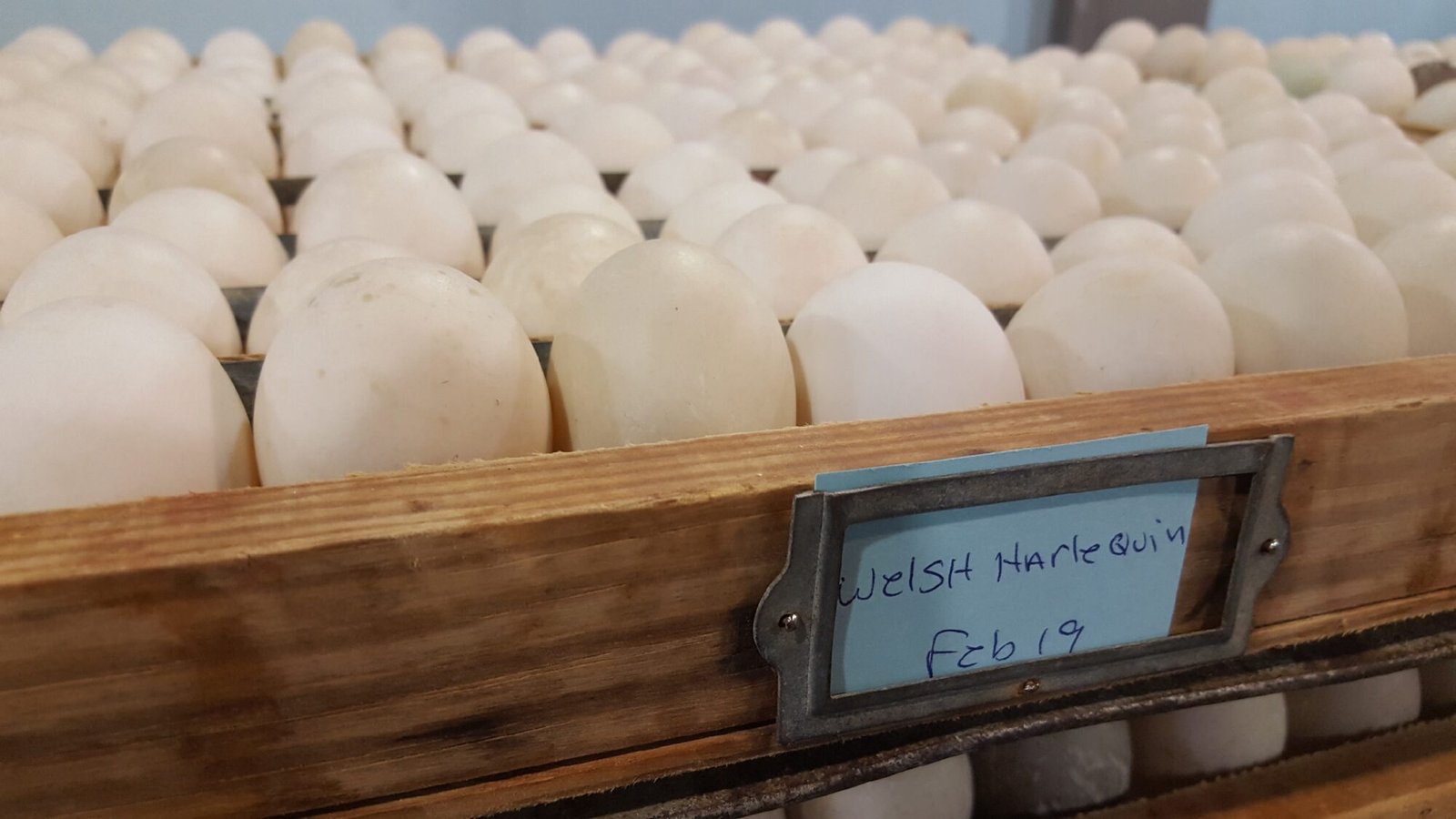
Welsh Harlequin Ducks are excellent egg producers. Your source copy notes that they are capable of laying at the top end of 240 to 300 eggs per year, making them one of the better choices for customers who want duck eggs for the kitchen.
Cackle’s Heritage Breed Spotlight: Welsh Harlequin Duck says Welsh Harlequin hens begin laying at about 6 to 8 months of age and may continue laying until 8 or 9 years old. It also notes that hens lay large eggs with white or, rarely, pale green shells.
Duck eggs are excellent for baking and cooking. Cackle’s How Many Eggs Does a Duck Lay? explains that duck egg production varies by breed, strain, age, feed, health, weather, and daylight hours. For customers who want to keep hens laying well, Cackle’s Ducks for Eggs: How to Keep Your Ducks Laying Well is a helpful internal resource.
Sexing Welsh Harlequin Ducklings
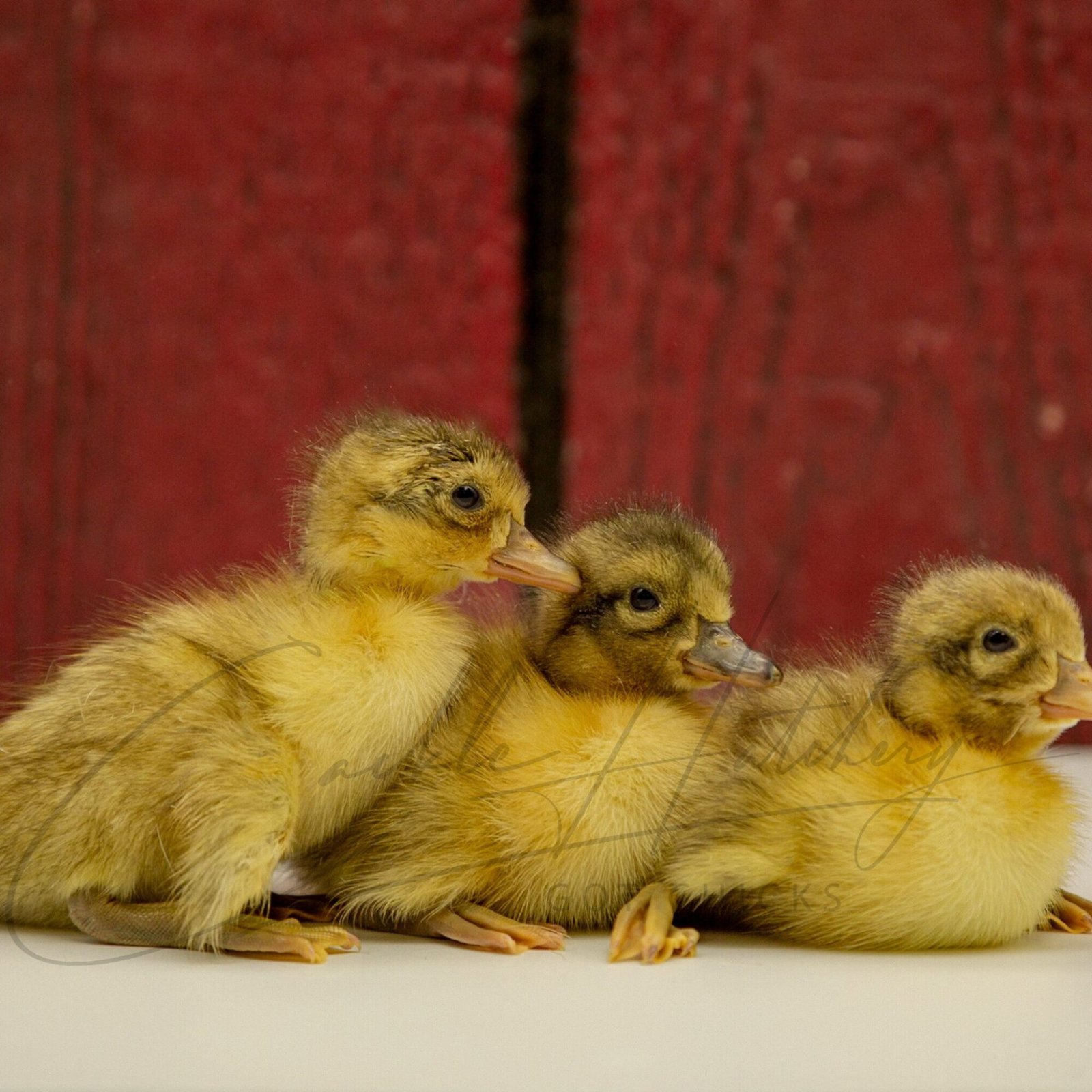
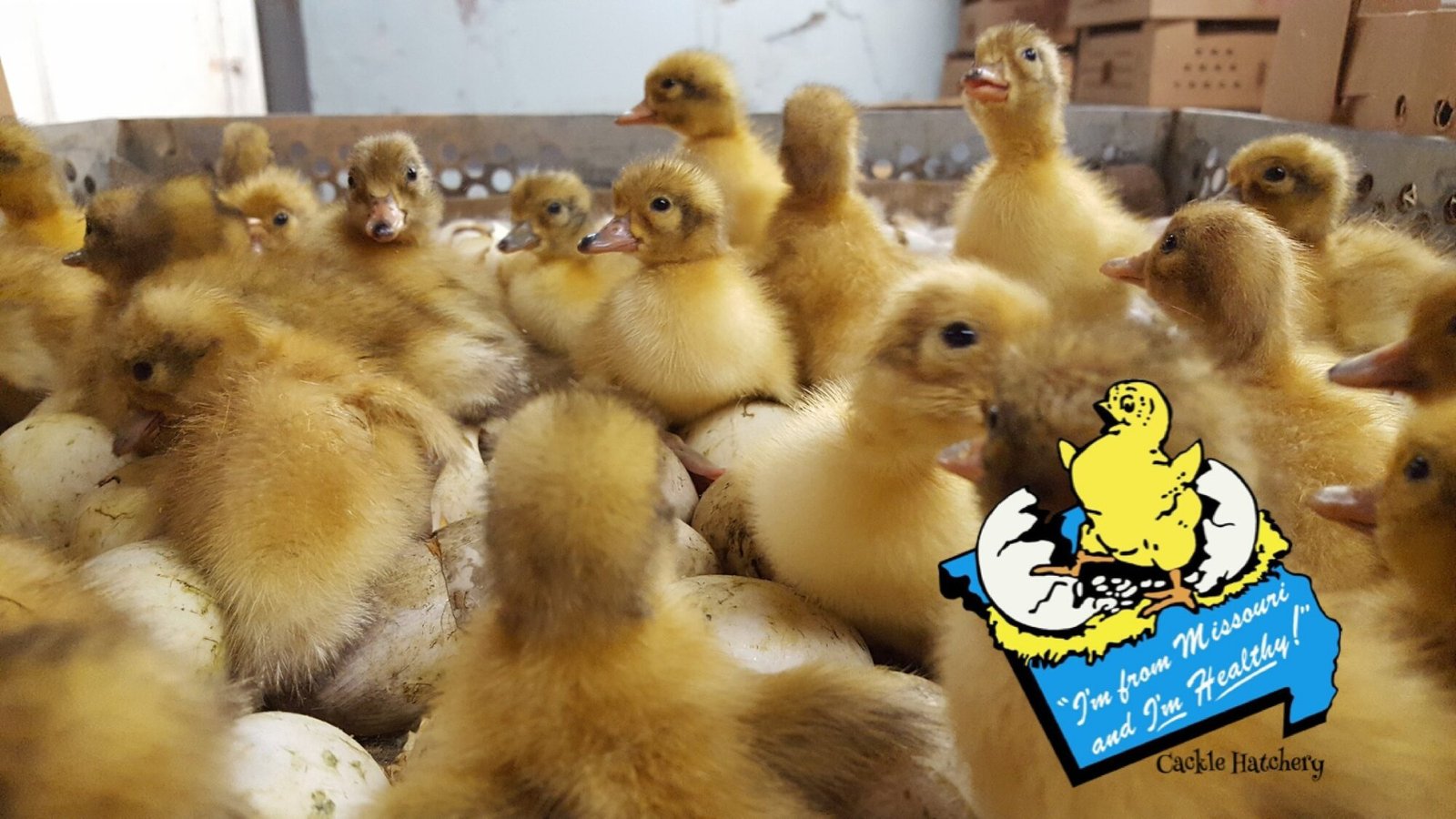
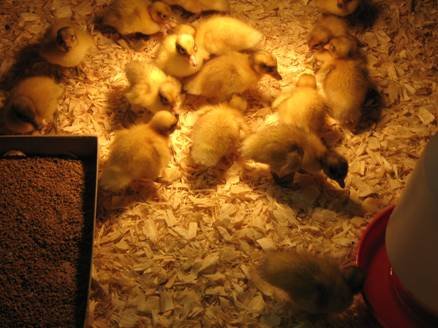
Welsh Harlequin ducklings are known for a useful day-old sexing clue. At hatch, experienced handlers can sometimes tell males from females by bill color with about 85% accuracy. Normally, males have an overall darker bill, while females have a lighter bill with a dark spot near the end.
That visual difference disappears within a few days, so it must be checked early. Even then, the most accurate method is still vent sexing by someone trained and experienced.
For customers, this means Welsh Harlequins may offer a helpful early clue, but bill color is not a perfect guarantee.
Foraging and Farm Use
Welsh Harlequin Ducks are good foragers and active birds. They can work well in backyards, gardens, orchards, homesteads, and small farms where customers want ducks that search for bugs, greens, and other natural forage.
Because they are lighter than heavy meat ducks, they move around well and enjoy exploring. Still, they need predator protection. Cackle’s Keeping Ducks for Eggs notes that Welsh Harlequins are active foragers but may need extra protection from predators and bad weather.
Cackle’s 12 Benefits of Keeping Ducks is a useful internal link for customers considering ducks for eggs, pest patrol, entertainment, and backyard value.
Temperament and Suitability
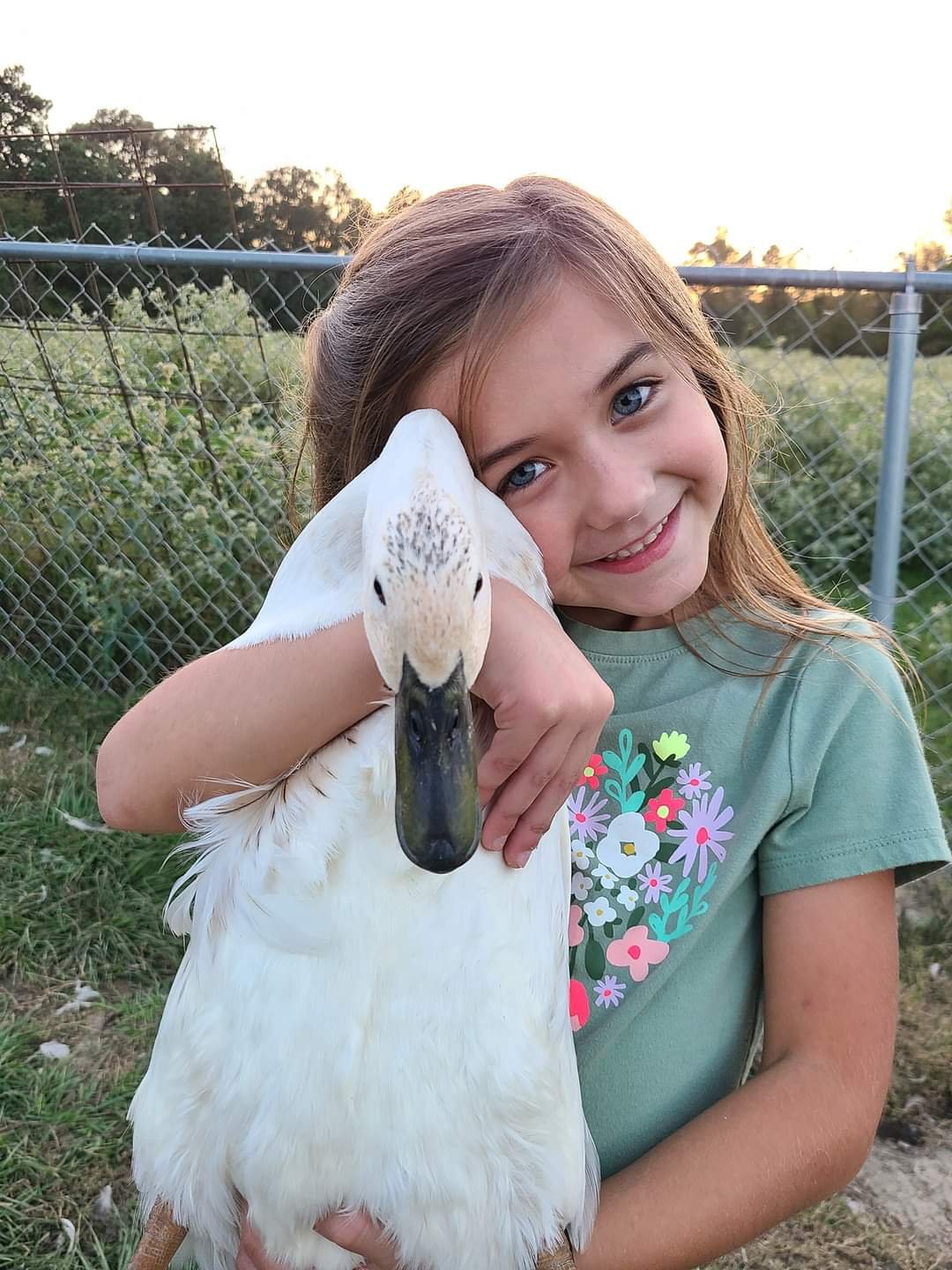
Welsh Harlequin Ducks are very calm, which makes them appealing for backyard flocks, small farms, families, and show projects. They are active without being overly difficult to manage.
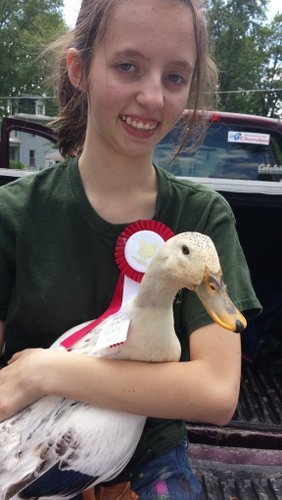
Their calm temperament and attractive plumage also make them good candidates for poultry shows. Your source copy notes that Welsh Harlequins are shown at many poultry shows throughout the United States.
With proper care, they make practical and enjoyable ducks. Provide clean drinking water deep enough to dip and clean their bills and nostrils, dry bedding, secure nighttime housing, predator protection, and enough room to forage.
Keeping Ducks With Chickens
Some customers want to keep ducks and chickens together. That can work in some setups, but ducks have different water and bedding needs.
Ducks splash water, dampen bedding, and need water access that supports healthy bills and nostrils. Cackle’s Keeping Ducks Together with Chickens explains why first-time duck owners should not manage ducks exactly like chickens.
For a mixed flock, plan housing carefully. Dry bedding, a smart water setup, and enough space can help both ducks and chickens stay healthier.
Fall Duck Shipping
For customers looking for ducks outside the main spring season, Cackle notes that fall duck shipping may be available for Welsh Harlequins. Customers should check the Welsh Harlequin Duck fall shipping page and the Availability Chart for current hatch and shipping dates.
Cackle Hatchery® cannot ship ducks to Hawaii. Keep this shipping note clear so customers can plan before placing an order.
Is the Welsh Harlequin Duck Right for Your Flock?
Choose Welsh Harlequin Ducks if you want:
A productive egg-laying duck
A calm backyard duck
A good forager
A Silver Welsh Harlequin variety
A duck descended from Khaki Campbell stock
A breed developed in Wales
A show-quality duck with attractive plumage
A duck that may lay at the high end of 240 to 300 eggs per year
A duckling breed with limited early bill-color sexing clues
A fall duck shipping option when available
Overall, Welsh Harlequins are an excellent choice if you want eggs, calm temperament, beauty, and foraging ability in one duck. They are lighter than heavy meat breeds, but they bring practical egg production and wonderful backyard value.
If customers are still comparing duck breeds, direct them to Cackle’s Duck Breeds List Comparison Chart or the main Ducks for Sale category.
Breed History and Preservation
Leslie Bonnet developed the Welsh Harlequin in Wales in 1949 from Khaki Campbell duck stock. The breed’s Campbell background helps explain its strong egg production, while its softer plumage pattern gives it a more ornamental look.
Welsh Harlequins came to the United States between the late 1960s and 1980s. Since then, they have gained attention from backyard keepers, small farms, and show poultry enthusiasts.
Cackle’s Heritage Breed Spotlight: Welsh Harlequin Duck describes the breed as a dual-purpose meat and egg duck that grows slowly to a live weight of about 4.5 to 5.5 pounds. It also notes that Welsh Harlequin hens can be good setters and protective mothers.
Recognition and Availability
Welsh Harlequin Ducks entered the American Standard of Perfection in 2001, according to Cackle’s product listing. Cackle’s page also notes that the hatchery has developed its pure Silver Welsh Harlequin bloodline since 1992.
Cackle sells Welsh Harlequin Ducklings for customers who want a calm, productive, attractive duck for eggs, foraging, backyard enjoyment, or exhibition.
Before planning an order, customers should check Cackle Hatchery’s Availability Chart for current hatch and shipping dates.
Cackle Hatchery® cannot ship ducks to Hawaii.
Related Breeds and Helpful Cackle Hatchery® Resources
If you like Welsh Harlequin Ducks, you may also want to compare Khaki Campbell Ducks, White Layer Ducks, Golden 300 Hybrid Layer Ducks, Runner Ducks, Saxony Ducks, and other egg-laying ducks in Cackle’s duck category.
Helpful Cackle articles include Heritage Breed Spotlight: Welsh Harlequin Duck, Breed Spotlight: Welsh Harlequin Ducks, How Many Eggs Does a Duck Lay?, 12 Benefits of Keeping Ducks, Ducks for Eggs: How to Keep Your Ducks Laying Well, Keeping Ducks for Eggs, Furnishing Nests for Laying Ducks, and Keeping Ducks Together with Chickens.
For comparison shopping, use Duck Breeds List Comparison Chart, Ducks for Sale, and Availability Chart.
FAQ: Welsh Harlequin Duck
What is a Welsh Harlequin Duck?
A Welsh Harlequin Duck is a calm, productive domestic duck breed developed in Wales from Khaki Campbell stock. It is known for egg production, foraging, attractive plumage, and show value.
Where did Welsh Harlequin Ducks originate?
Welsh Harlequin Ducks originated in Wales in 1949. Leslie Bonnet developed the breed from Khaki Campbell ducks.
When did Welsh Harlequin Ducks come to the United States?
Welsh Harlequins came to the United States between the late 1960s and 1980s.
Are Welsh Harlequin Ducks good egg layers?
Yes. Welsh Harlequins are excellent egg producers. Your source copy notes that they may lay at the top end of 240 to 300 eggs per year.
When do Welsh Harlequin hens start laying?
Cackle’s heritage spotlight says Welsh Harlequin hens usually start laying at about 6 to 8 months of age.
What color eggs do Welsh Harlequin Ducks lay?
Welsh Harlequin hens usually lay white eggs, though they may rarely lay pale green eggs.
Are Welsh Harlequin Ducks good foragers?
Yes. They are active foragers and can do well in backyard, farm, and homestead setups with safe space to roam.
Are Welsh Harlequin Ducks calm?
Yes. Cackle’s duck comparison chart lists Welsh Harlequins as very calm.
Are Welsh Harlequin Ducks good backyard ducks?
Yes. They make good backyard ducks because they are calm, productive, attractive, and useful for eggs and foraging.
Are Welsh Harlequin Ducks good show birds?
Yes. They are shown at poultry shows throughout the United States and have attractive silver-patterned plumage.
Can Welsh Harlequin ducklings be sexed by bill color?
Sometimes. At hatch, experienced handlers may identify sex by bill color with about 85% accuracy. Males usually have a darker bill, while females often have a lighter bill with a dark spot near the end.
How long does the bill-color sexing clue last?
Only a few days. The bill distinction disappears quickly, so it must be checked at hatch.
What is the most accurate way to sex Welsh Harlequin ducklings?
Vent sexing by an experienced person is still the most accurate method.
Are Welsh Harlequin Ducks related to Khaki Campbells?
Yes. Welsh Harlequins descended from Khaki Campbell stock, which helps explain their strong egg-laying ability.
Can Welsh Harlequin Ducks live with chickens?
Sometimes, but ducks and chickens have different water and bedding needs. Cackle’s Keeping Ducks Together with Chickens can help customers plan a mixed flock.
Does Cackle Hatchery® offer Welsh Harlequin Ducks in the fall?
Cackle notes that customers looking for fall duck shipping should check the Welsh Harlequin Duck fall shipping page for current seasonal options.
Can Cackle Hatchery® ship Welsh Harlequin Ducks to Hawaii?
No. Cackle Hatchery® cannot ship ducks to Hawaii.
Where can I check Welsh Harlequin Duck availability?
Check Cackle Hatchery’s Availability Chart for current hatch and shipping options.
Reviews
There are no reviews yet.