
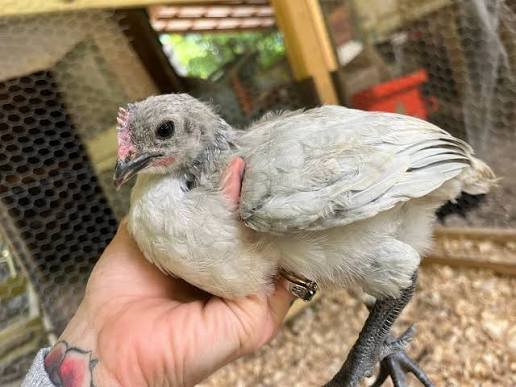
Female Partridge English Orpington
$29.99
Free shipping on orders over $50!
- Satisfaction Guaranteed
- No Hassle Refunds
- Secure Payments
Description
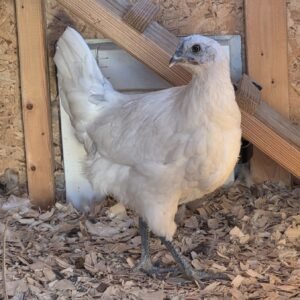
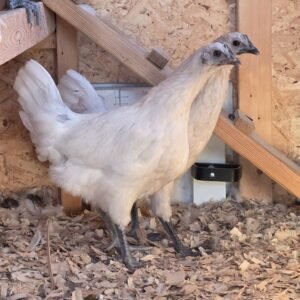
lavender orpington
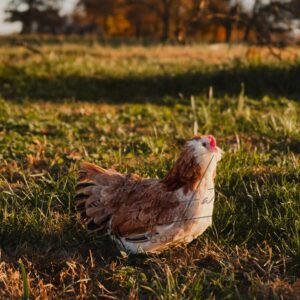
The female Partridge English Orpington is one of the most attractive hens you can add to a backyard flock. Her rich mahogany feathers carry fine black penciling, and she’s calm, hardy and easy to handle. This guide covers the hen’s looks, laying ability, temperament and care, plus tips for ordering pullets.
Where Does the Partridge Orpington Come From?
The Orpington was developed in Kent, England, in the late 1800s by William Cook, who wanted a hardy, dual-purpose bird that laid well through cold winters. The black variety came first, followed by buff, blue and other colors. The Partridge variety is a later addition, bred for its detailed plumage. The “English” type is generally associated with a more moderate, practical build than heavily feathered show strains.
Female Partridge English Orpington Quick Facts
| Trait | Details |
|---|---|
| Purpose | Dual-purpose (eggs and meat) |
| Hen size | Large: roughly 7 to 8 lb |
| Egg color | Light to medium brown |
| Egg production | Often around 150 to 200 eggs per year |
| Egg size | Medium to large |
| Temperament | Calm, docile, friendly |
| Cold hardiness | Excellent |
| Heat tolerance | Fair, so provide shade and water |
| Broodiness | High, good mothers |
| Plumage | Mahogany with fine black penciling |
These are general figures. Individual birds and strains vary, so check each hatchery’s own breed description.
What the Hen Looks Like
Partridge hens are rich brown to mahogany, and each feather is finely penciled with darker lines that follow the edge of the feather. The effect is soft and detailed, like a subtle watercolor. The body is broad and rounded, and the loose, fluffy feathering makes her appear larger than she is. She has a single red comb and a calm, rounded profile.
The rooster looks very different. His plumage is black and red-orange, so the sexes are easy to tell apart once the birds mature.
Temperament
Female Partridge Orpingtons are known for being gentle and easy to handle. They often enjoy attention, tolerate being picked up and mix well with other calm breeds. That makes them a good fit for families and first-time keepers. As with any breed, each bird is an individual, and very assertive breeds may bully these gentle hens, so choose flock mates carefully.
Egg Production
Expect a steady supply of light to medium brown eggs, though Orpingtons are moderate layers rather than the highest-volume producers. Laying slows in winter, and it pauses whenever a hen goes broody. For a fuller egg basket, pair them with brown egg layers, dark brown egg layers and colored egg layers.
Broodiness and Motherhood
Broodiness is a trademark of the breed. Orpington hens often go broody and make excellent mothers, which is useful if you want to hatch chicks naturally. It also means egg production dips while a hen sits, so keep an eye out and decide whether you want to encourage or discourage it. If you’d rather control hatching yourself, see hatching eggs and an incubator.
Are Partridge Orpingtons Good for Meat?
Yes. Their large frame makes them a solid dual-purpose choice. They grow slower than commercial meat and broiler chickens, but they suit homesteaders who want a flock that serves more than one purpose.
Climate and Hardiness
Their thick feathering makes them excellent cold weather chickens. In hot climates, the same fluff can cause stress, so provide shade, airflow and cool water. If summers are extreme, compare with hot weather chickens.
Partridge vs. Buff vs. Black Orpington
| Feature | Partridge | Buff | Black |
|---|---|---|---|
| Hen color | Mahogany with black penciling | Golden buff | Glossy black |
| Temperament | Calm and gentle | Calm and gentle | Calm and gentle |
| Cold hardiness | Excellent | Excellent | Excellent |
| Heat tolerance | Fair | Fair | Fair, absorbs more heat |
| Egg production | Moderate | Moderate | Moderate |
| Rarity | Less common | Very common | Common |
Performance is very similar across varieties, so the choice usually comes down to looks and availability.
Ordering Female Partridge Orpington Pullets
Partridge Orpingtons are not sex-linked, so chicks can’t be sexed by color at hatch. Hatcheries usually vent sex them, which isn’t exact. Cackle states on its site that sexing chicks is not an exact science, so a small number of cockerels can end up in a pullet order. Keep that in mind, and have a plan in case you receive a rooster.
If you need hens only, ask about pullet availability and ordering options before you commit.
Housing and Space
Orpingtons are heavy and fluffy, so give them room:
- Coop space: at least 4 to 5 sq ft per bird inside.
- Run space: 10 sq ft per bird or more.
- Roosts: low and sturdy, since heavy birds can injure their feet jumping down from high perches.
- Predator protection: secure fencing and a locked coop at night.
Browse chicken coops and transports, feeders and waterers before your birds arrive.
Raising Partridge Orpington Chicks
| Age | Brooder temperature | Notes |
|---|---|---|
| Week 1 | 95°F | Provide clean water and starter feed |
| Week 2 | 90°F | Reduce heat gradually |
| Week 3 | 85°F | Check for pasty butt |
| Week 4 | 80°F | Add more space |
| Weeks 5 to 6 | 75°F | Prepare for feathering out |
See brooder equipment for heat sources and supplies.
Where to Get Partridge English Orpingtons
Availability changes through the year, so check with your hatchery. Start with baby chicks or browse rare chicken breeds. For small flocks, see the small order specials and weekly specials. More advice is on the Cackle Hatchery blog.
Frequently Asked Questions
What does a female Partridge Orpington look like?
Mahogany-brown feathers with fine black penciling, a broad rounded body and a single red comb.
How many eggs does a Partridge Orpington hen lay?
Typically around 150 to 200 light to medium brown eggs per year.
Are Partridge Orpington hens friendly?
Yes. They’re known for calm, docile personalities.
How big do the hens get?
Usually around 7 to 8 lb.
Can you tell hens from roosters at hatch?
Not by color. They’re not sex-linked, so hatcheries vent sex chicks, which isn’t perfectly accurate.
Do they go broody?
Often. They’re good mothers, though broodiness pauses egg laying.
Are they cold hardy?
Yes, their dense feathering handles cold very well.
Ready to Start Your Flock?
Explore the full poultry catalog and find birds that fit your space, climate and goals.
Additional information
| Vaccinate | Yes |
|---|
Reviews
There are no reviews yet.