
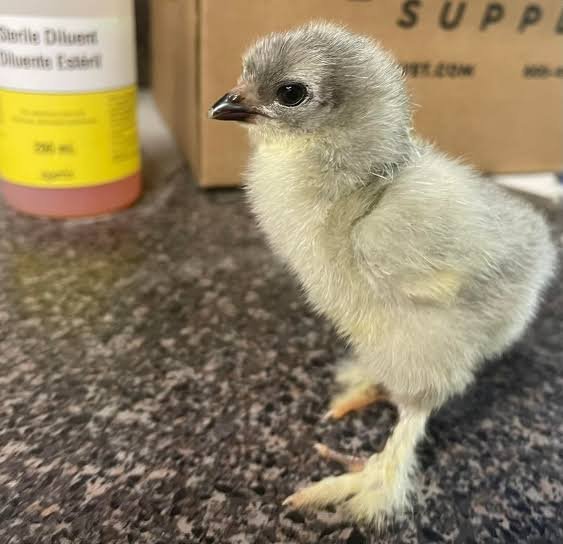
Female Lavender Brahma Chicken
$29.99
Female Lavender Brahma Chicken
Free shipping on orders over $50!
- Satisfaction Guaranteed
- No Hassle Refunds
- Secure Payments
Description
Lavender Brahma Chicken
Lavender Brahma chicken combines two things backyard keepers love: a calm, friendly personality and a stunning look. Its soft, pale gray-blue plumage and feathered feet set it apart in any flock, and its huge size earns the Brahma its nickname “King of Poultry.” This guide covers the breed’s history, traits and care.
Where Does the Brahma Come From?
The Brahma was developed in the United States in the 1800s from large Asian chickens. It quickly became a leading meat and egg bird, and it dominated American poultry shows and farms for decades. The classic Brahma varieties are light, dark and buff. Lavender is a newer color variety created with the lavender gene, so recognition and standards vary by registry. Always check how your hatchery describes its birds.
Lavender Brahma Quick Facts
| Trait | Details |
|---|---|
| Purpose | Dual-purpose (eggs and meat), also ornamental |
| Size | Very large: hens roughly 9 to 11 lb, roosters roughly 12 to 14 lb |
| Egg color | Light to medium brown |
| Egg production | Often around 150 to 200 eggs per year |
| Egg size | Large |
| Temperament | Calm, docile, gentle |
| Cold hardiness | Excellent |
| Heat tolerance | Fair, so provide shade and water |
| Broodiness | Moderate to high |
| Maturity | Slow: often 6 to 8 months before laying |
| Comb type | Pea comb |
These are general figures. Individual birds and strains vary, so check each hatchery’s own breed description.
Appearance
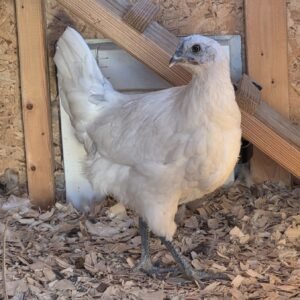
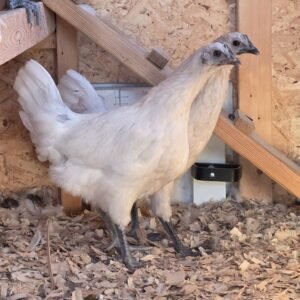
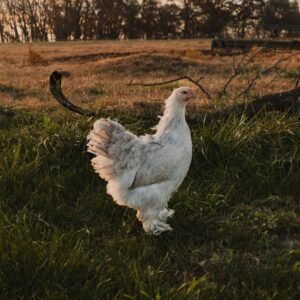
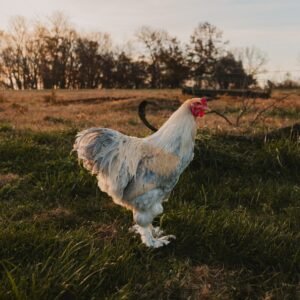
Lavender Brahmas are broad, upright birds with a deep chest, thick feathering and a calm stance. The plumage ranges from pale silver-gray to soft blue-lavender, often with darker markings on the neck hackle and tail depending on the strain. Their legs and toes are heavily feathered, and they carry a small pea comb with a distinct brow ridge that gives them a heavy-browed expression.
Lavender is a recessive color, so lavender-to-lavender pairings usually produce lavender chicks, while mixed pairings can produce other colors. Shades vary between birds, so expect some natural variation.
Temperament
Brahmas are famously gentle. They’re patient, tolerate handling and often get along well with children and other breeds, which makes them a favorite for family flocks. Roosters are usually calmer than those of many large breeds, but every bird is an individual, so supervise young children around any rooster.
Egg Production
Expect a steady supply of large brown eggs, though Brahmas are slow to start and moderate in volume. Many hens begin laying around six to eight months of age, and they often lay well through winter because of their hardiness. For a fuller basket, mix them with brown egg layers, dark brown egg layers and colored egg layers.
Are Lavender Brahmas Good for Meat?
Yes. Their huge frame was the original reason the breed became famous. They grow slowly compared with commercial meat and broiler chickens, so expect longer raising times and higher feed costs, but they produce a large, flavorful carcass.
Climate and Hardiness
The pea comb and dense, feathered body make Brahmas among the best cold weather chickens. Their small comb resists frostbite, and heavy feathering holds in heat. In hot climates, the same plumage can cause stress, so provide shade, airflow and cool water, and look at hot weather chickens if summers are extreme.
Lavender Brahma vs. Light Brahma
| Feature | Lavender Brahma | Light Brahma |
|---|---|---|
| Color | Pale silver-blue to lavender | White with black hackle and tail |
| Size | Very large | Very large |
| Temperament | Gentle | Gentle |
| Cold hardiness | Excellent | Excellent |
| Egg production | Similar | Similar |
| Standard recognition | Varies by registry | Recognized variety |
| Best for | Looks, ornamental value | Classic exhibition look |
Performance is nearly identical, so color and availability usually decide.
Feather-Footed Care
The feathered legs are beautiful, but they need attention:
- Keep the coop and run dry to avoid mud caking on the feathers.
- Check legs regularly for scaly leg mites.
- Use clean, deep bedding, and consider a covered run in wet climates.
- Trim or clean feathers only if they become heavily soiled.
Housing and Space
Brahmas are among the largest chickens, so give them extra room:
- Coop space: at least 5 to 6 sq ft per bird inside.
- Run space: 10 sq ft per bird or more.
- Roosts: low (12 to 18 inches) and sturdy, since heavy birds can injure their feet jumping down.
- Nest boxes: wider than standard, about 14 to 16 inches.
- Predator protection: secure fencing and a locked coop at night.
Browse chicken coops and transports, feeders and waterers before your birds arrive.
Raising Lavender Brahma Chicks
| Age | Brooder temperature | Notes |
|---|---|---|
| Week 1 | 95°F | Provide clean water and starter feed |
| Week 2 | 90°F | Reduce heat gradually |
| Week 3 | 85°F | Check for pasty butt |
| Week 4 | 80°F | Add more space |
| Weeks 5 to 6 | 75°F | Prepare for feathering out |
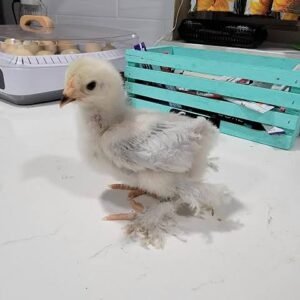
Brahma chicks feather slowly and grow into very large birds, so give them more brooder room than usual as they mature. See brooder equipment for heat sources and supplies, or hatch your own with hatching eggs and an incubator.
How to Order Lavender Brahma Chicks
Cackle Hatchery ships day-old chicks to your local post office. Its homepage says orders arrive within 1 to 3 days via USPS Priority Mail live shipping. The hatchery states that sexing chicks is not an exact science, so a small number of unexpected roosters can appear in a pullet order.
- Browse baby chicks or rare chicken breeds.
- Check availability for your preferred ship date.
- Choose your quantity. [Add your minimum order here.]
- Prepare your brooder before the ship date.
- Collect your chicks from the post office as soon as they arrive.
For small flocks, see the small order specials and weekly specials. More tips are on the Cackle Hatchery blog.
Frequently Asked Questions
How big do Lavender Brahmas get?
Hens are usually 9 to 11 lb and roosters 12 to 14 lb.
How many eggs does a Lavender Brahma lay?
Often around 150 to 200 large brown eggs per year, starting later than many breeds.
Are Lavender Brahmas friendly?
Yes. They’re known for calm, gentle personalities.
Are Lavender Brahmas cold hardy?
Yes. The pea comb and heavy feathering handle cold very well.
Do they need special care for their feathered feet?
Yes. Keep bedding dry and check for leg mites regularly.
What color are Lavender Brahma chicks?
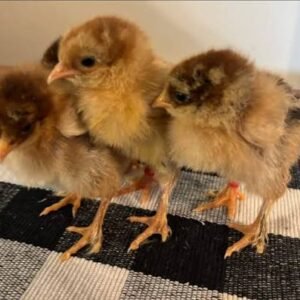
Chick color varies by strain, and the pale lavender plumage becomes clearer as they feather out.
Are Lavender Brahmas good for beginners?
Yes, as long as you can provide space. They’re calm and easy to handle.
Ready to Start Your Flock?
Explore the full poultry catalog and find birds that fit your space, climate and goals.
Reviews
There are no reviews yet.